Nessy Recommends:
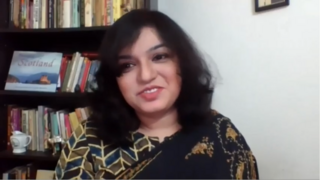 Manobina Chakraborty tells us how about the vital work she does with neuro-diverse learners and their parents, and how this was affected by the Covid-19 pandemic.
 Master syllable division with Chimp Fu. Karate chop your way to the top! Video learning strategies explain the rules of syllable division.
 The final Hairy Phonics app will help you learn vowel-r and magic 'e'. Learn 9 phonemes: ar, or, er, ir, ur, a-e, i-e, o-e, u-e. Ages 4-6 years.
 After learning letter sounds it's time for phonics. Learn consonant digraphs and floss doubles : sh, ch, th, ck, ff, ll, ss, zz, ng.
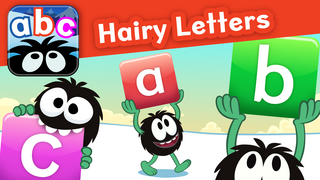 Learn the sounds and names of each letter with the Hairies. Play games to blend and read first words.
 Teaching a child (or 2, or more) with dyslexia can be a time-consuming process. From actually teaching them to read, to reading their textbooks to them, to explaining maths concepts. So how can we get more done in our day-to-day homeschooling?
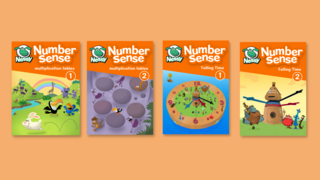 Fantastic resources to print at home. Support the learning of multiplication tables, telling the time, develop thinking and listening, and much more.
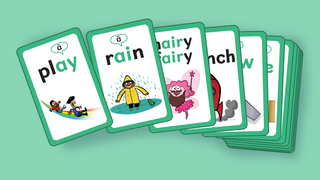 Download and print for free!
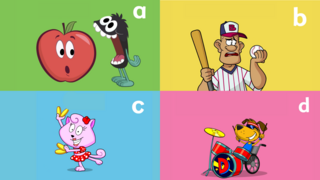 Download and print for free!
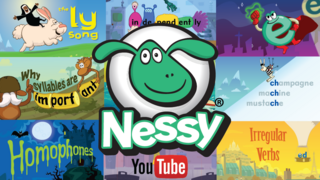 Watch Nessy videos for free. The Nessy YouTube channels have valuable resources for parents, teachers and students.
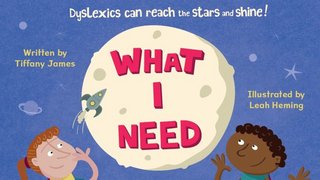 What does a dyslexic child need from their teachers to succeed? This book empowers children with the knowledge they need to self-advocate. Written by Tiffany James.
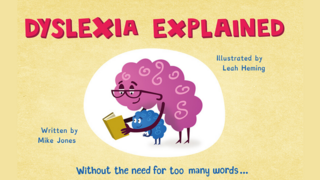 Number 1 Amazon Best Seller. This ebook version is free! The Nessy founder and author, Mike Jones, wanted a simple and quick way for educators, parents and children to understand dyslexia.
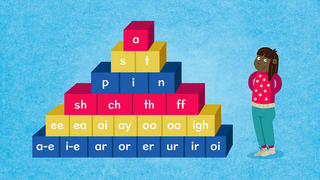 Structured Synthetic Phonics is the most effective way of teaching children to read and spell. It follows the principles of Structured Literacy, research proven by the Science of Reading.
 Building self-esteem at home from very early childhood is the key to success in an individual’s life. Guest article by Manobina Chakraborty.
 Does your child know the essential reading skill of decoding? What is decoding and how is it different to encoding?
 Whole language, guided reading or a balanced literacy approach are NOT appropriate teaching methods for dyslexia. Find out about them to make sure your dyslexic child is learning the correct way.
 Dr. Torgesen was one of many researchers who discovered that early intervention prevents reading difficulties from worsening.
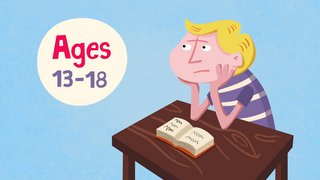 By High School, children are no longer learning to read and have transitioned to reading to learn. Accommodations and assistive technology are vital. Emotional support is likely to be required.
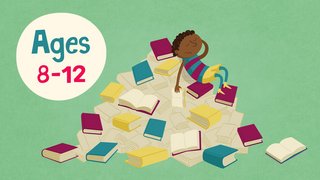 Many dyslexic children that have not received effective early intervention by ages of 8 to 12, are likely to have fallen behind and are going to need additional accommodations to help them get through school.
 The Science of Reading is everything that is scientifically known about how children learn to read, and the most effective way for reading to be taught.
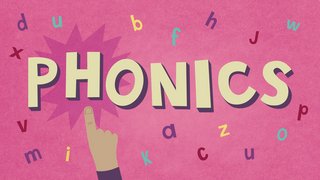 Phonics is recognizing and knowing all the sounds that can be made by letters. There are 26 letters of the alphabet but 44 sounds.
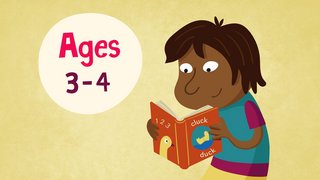 Developing pre-literacy skills in very young children will help give them the best start.
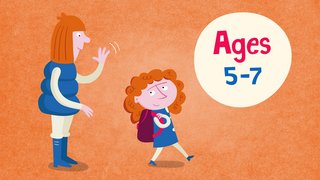 As soon as children start school it is important to develop essential phonological skills.
 Take this to see if your child has some of the indicators of dyslexia.
 Should a child be formally evaluated? How much should it cost? When is the right age?
 There are many different screeners and evaluations for dyslexia, so it can be difficult to find the best option.
 The risk of dyslexia is identifiable at 5 years using a screener. Children who continue to have reading, spelling and writing difficulties at age 7, should have a formal dyslexia evaluation.
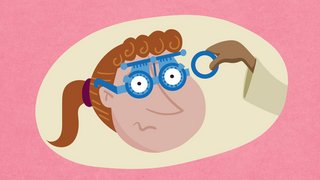 Educational experts, researchers and medical authorities around the world have found little independent scientific evidence to support the use of eye exercises, vision therapy, tinted lenses or filters as a treatment for dyslexia.
 A simple explanation of words frequently used in education.
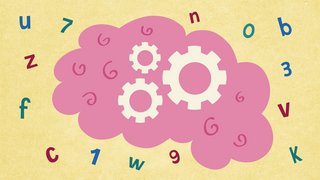 Almost half of dyslexics have low RAN but what is it, and why is it evaluated when screening for dyslexia?
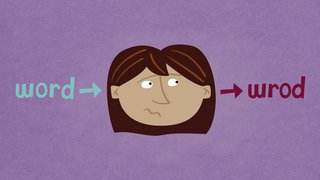 80% of people with dyslexia show signs of a phonological processing problem, but what does a difficulty with phonology mean?
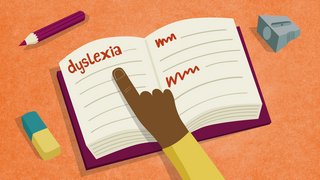 What is the definition of dyslexia? Is dyslexia a medical issue or an educational difficulty?
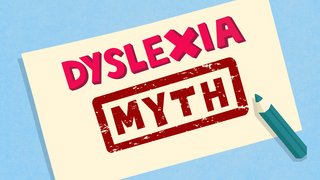 There are many widespread myths about dyslexia, such as reading and writing backwards or claims of miraculous cures. Make sure you know the facts.
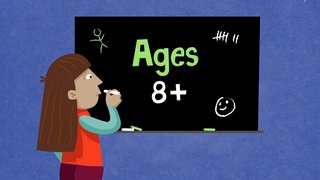 The main indicator is a relative who is dyslexic or a poor speller.
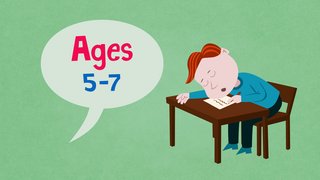 A child with dyslexia will typically exhibit one or more of these signs. Remember that every child is different. It is very rare for a child to have all these difficulties.
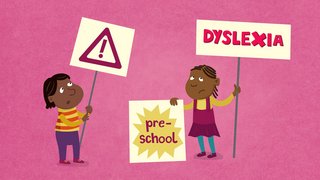 You can detect the possibility of dyslexia in very young children if you know what to look for.
 There is no shame in dyslexia, it is part of who you are. But how do you explain dyslexia to a child?
 Find out basic facts about dyslexia.
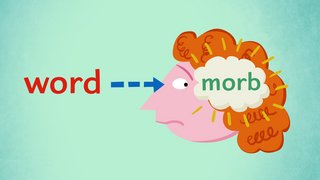 Quickly find out some of the most common difficulties caused by dyslexia.
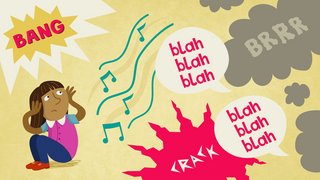 Autism is a complex developmental disorder that typically appears during the first three years of life. This disability has the potential to delay normal development in children.
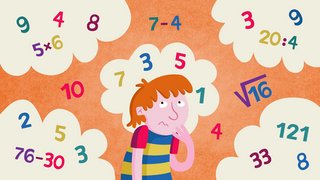 Does your child have difficulty with memorizing times tables and recalling addition and subtraction facts quickly? Dyscalculia affects up to 6% of children.
 Is your child's writing messy and difficult to read? They may have dysgraphia. Find out how to identify and help.
 Does your child lose homework, lose sports clothes or forget instructions? They may have a difficulty with Executive Function - a set of brain skills that helps kids stay focused, remember things and follow directions.
 Improve literacy skills at home.
 Designed for parents and home-schoolers of children with dyslexia.
 This award-winning program has been helping students all over the world improve their reading, writing and spelling for more than 20 years.
 Students learn writing concepts in fun and memorable ways.
 A rapid dyslexia screener for children aged 5-11.
 A 12 module course for parents that explains how to help your child.
 Children learn writing concepts in fun and memorable ways.
 For parents with children learning at home, this bundle offers 2 months access at a discounted rate.
 A rapid dyslexia screener for children aged 5-11.
 A 12 module course for teachers that explains dyslexia.
 Stop the summer slide and give your children a literacy boost!
 A complete Structured Synthetic Phonics (SSP) program for ages 4-6. Develops essential phonological skills, phonemic awareness and phonics.
 Teaching Reading is Not One-Size-Fits-All
 6 months of access
 Free access until June 30th 2022
 6 months of access
 A 6 module course for parents that explains how to help your child.
 A 6 module course for teachers that explains dyslexia.
- 6 months of access
 A 6 module course for teachers and parents that explains dyslexia.
 3 Months of Access for Free
 3 Months of Access for Free
 A course for teachers that explains dyslexia.
- A 6 module course for teachers that explains dyslexia.
- A 6 module course for parents that explains how to help your child.
- A 12 module course for teachers that explains dyslexia.
- A 12 module course for parents that explains how to help your child.
 A 6 module course for teachers and parents that explains dyslexia.