Building a Foundation for Lifelong Learning: Why the Right Skills (and Tools) Matter Now

By Jodi Snowdon, Global Outreach Coordinator for Nessy
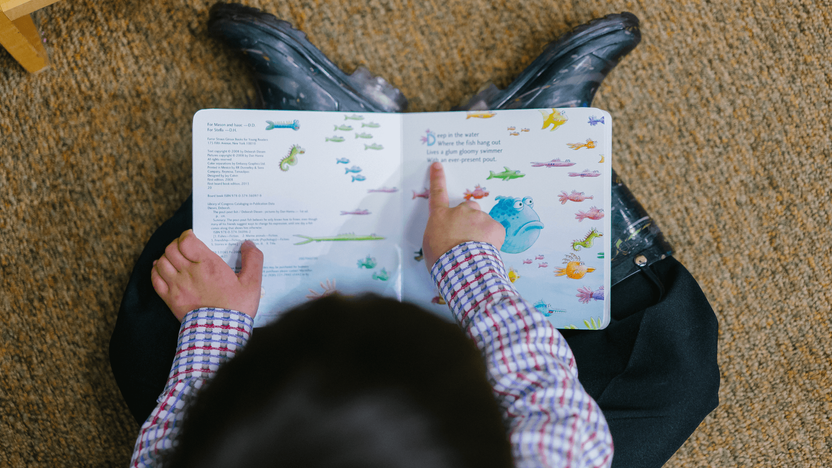
Every child deserves the chance to unlock the world through words. Literacy isn’t just another subject—it’s the foundation for every kind of learning that follows. The skills children develop today help them develop the ability to read fluently and use reading to learn new things, giving them confidence, independence, and access to all areas of education.
Whether at home or in the classroom, the skills, learning tools, and opportunities we give children today shape how they learn and how effectively they can access learning tomorrow. Not every child progresses toward literacy in the same way—each journey is unique, and individualized support helps them build the skills they need to become confident, skilled readers.
Evidence-based, structured literacy approaches are designed to meet children where they are, helping them build skills that last. These approaches are grounded in research about how the brain learns to read, making them especially effective for children who struggle or are just starting out.
Why Mastering the Right Skills Early on Matters
Learning to read is like building a house: the stronger the foundation, the taller and more stable the structure. Early mastery of key literacy skills—oral language (speaking, listening and understanding words), phonemic awareness (noticing and playing with sounds in words), phonics (connecting letters to sounds), early morphology (recognizing meaningful parts of words, like -s or -ed), and fluency (reading with very few errors, at a good speed, and with expression)—gives children the ability to decode words, understand meaning, and become skilled readers who can learn by reading.
When children build strong literacy skills early, they benefit in many ways:
- Confidence and independence: They feel capable and take charge of their own learning.
- Academic readiness: They are better prepared to succeed across all subjects.
- Fewer learning struggles: They are less likely to experience frustration or gaps in learning.
The Role of Individualised Skills (and Tools)
Because children progress in literacy through phases, not stages, individualized support is critical. Tailored skills practice helps children:
- Master foundational skills at their own pace.
- Strengthen weak areas without slowing down areas of strength.
- Build confidence.
- Ultimately develop the ability to read fluently and use reading to learn new things.
Linnea Ehri’s Phases of Reading Development
Linnea Ehri’s research shows that reading develops in phases, not rigid stages. Each child progresses at their own pace, and overlapping skills are normal. Individualised practice is key to supporting children through these phases.
1. Pre-Alphabetic
Recognises words by shapes or pictures, not letters.
Visual cues, memory of signs/labels.
2. Partial Alphabetic
Guesses words based on some of the letter-sounds, i.e., the first letter (partial).
Phonemic awareness, basic letter-sound knowledge.
3. Full Alphabetic
Decodes words by blending letters and sounds.
Can use letter-sound knowledge to read; Represents all the sounds when attempting to spell a word, but overall spelling might not be accurate.
4. Consolidated Alphabetic
Recognises larger chunks like syllables & morphemes (prefixes, suffixes, roots). Reads longer words more easily.
Syllable patterns, complex patterns, morphology (meaningful word parts), automatic word recognition, and spelling is accurate.
The Power of Early Literacy Skills and Individualised Support with Nessy
Not every child’s journey to reading is the same. Some learn quickly, while others need extra time and support. That’s why building early literacy skills through individualised instruction is so important.
Our programs focus on foundational skills:
- Phonemic awareness – noticing and identifying sounds in words
- Phonics – connecting letters to sounds
- Morphology – recognizing meaningful parts of words, like -s or -ed
- Fluency – reading accurately, at a good pace, and with expression
These skills give children the tools to decode words, understand meaning, and become confident readers. By combining research-backed literacy strategies with personalized instruction, Nessy helps every child progress at their own pace, master essential skills, and develop a lifelong love of reading.
Hairy Reading (ages 4-6)
Key features
100 game-based learning journeys that progress gradually from simple to complex.
Systematic phonics instruction through decodable phonic books.
Letter formation and fine motor development.
100s of printable worksheets and games.
Nessy Reading and Spelling (6-11)
100 game-based lessons covering everything from early phonics to advanced vocabulary.
Videos explaining spelling rules and phonics.
Printable worksheets and games.
Built-in assessments to individualise instruction and track progress.
Quick Tips for Parents & Educators
- Focus on oral language (speaking, listening and understanding words), phonemic awareness (identifying and playing with sounds in words), and phonics (connecting sounds to letters) in early phases.
- Introduce word chunks, syllables, and morphemes as children advance.
- Track progress: noticing meaningful parts of words and then moving into advanced phases.
- Individualised support allows children to learn at their own pace and build lasting skills.
The Bottom Line
The right skills (and tools) today can help children develop the ability to read fluently and use reading to learn. Evidence-based, structured literacy approaches—especially those that provide individualised practice—support children as they progress through reading phases, build strong foundational skills, and unlock lifelong learning.
Black Friday Sale 2025
Building a strong foundation for lifelong learning begins with giving children the right skills, and the right tools to practice them with confidence. As you consider your child’s next steps, this year’s Black Friday event is a chance to access research-aligned support at a lower cost.
We’re offering up to 70% off selected Home Products and 10% off selected School Products, making it easier than ever to bring structured, joyful learning to the children who need it most.